89% of Fans Trust Your Expertise. Mention Something Once and Half of Them Assume You Don't Actually Use It.
A new Wondery study of 3,000 podcast and video fans found that a single mention reads as an ad. Repetition reads as belief.
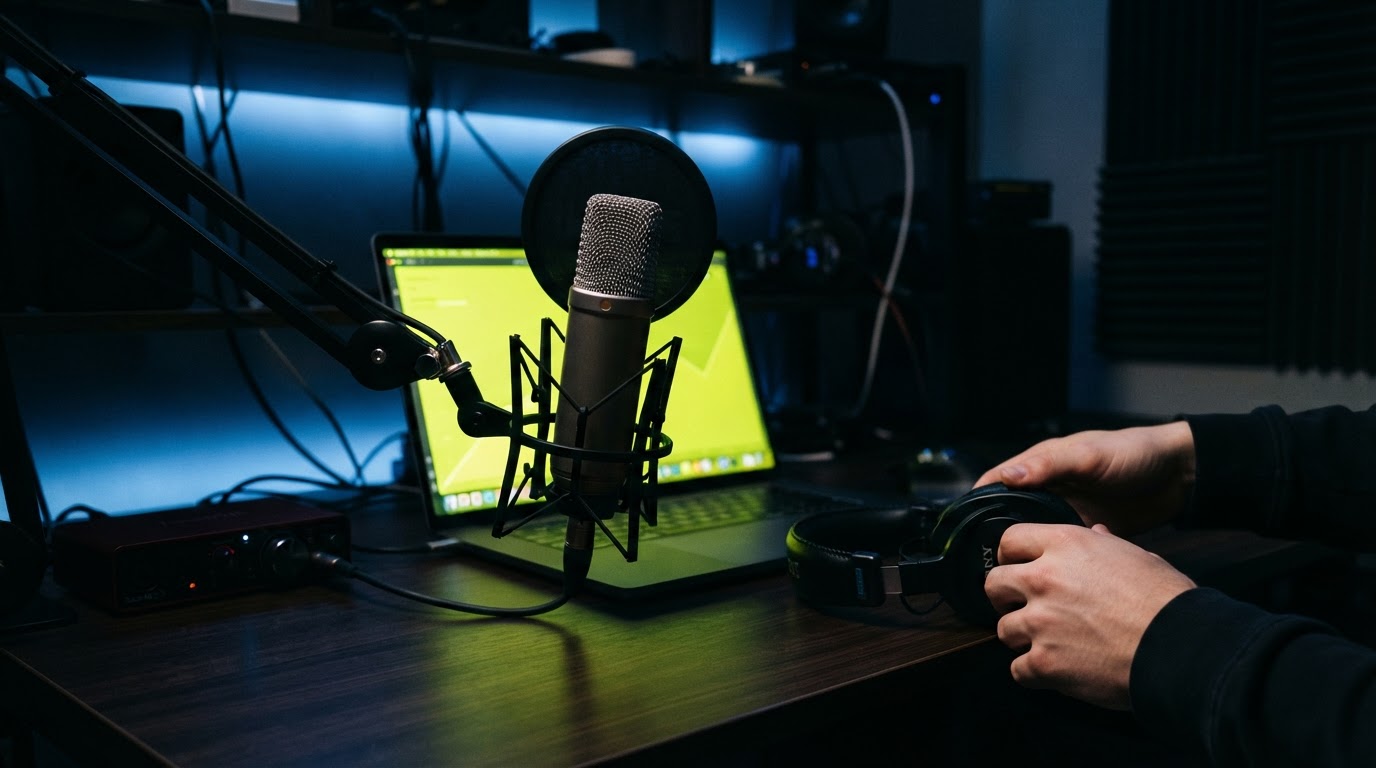
Half of creator fans assume a host secretly didn't like a product if it got mentioned once and never again.
That is the most useful sentence published about audience psychology this month, and it came buried inside an ad-sales study.
Wondery commissioned SmithGeiger to survey 3,000 U.S. adults ages 18 to 64 in June, all of them regular watchers or listeners of creator-hosted podcasts or online series. The findings landed on October 14 under the title "Brand Building in the Creator Age." Each respondent answered about one show and one host — their stated favorite.
The trust is enormous
81% say they trust their favorite creator as much as, or more than, their close friends. 89% trust the host's expertise on the topics discussed. 44% say they trust the host more than their own friends.
Nine in ten cite the host as the main reason they keep coming back, and 85% say the host feels like a friend — half of those strongly agreeing. 76% say they don't mind ads in the show if it supports the host.
If you sell knowledge, this is the asset you have been told you're building. Borrowed trust, at scale, from a stranger's ears.
Then there's the penalty
Here is where it gets uncomfortable for anyone who has done a podcast tour to promote a launch.
78% of respondents felt more confident buying a product a host recommends. 71% said a product's consistent presence across multiple episodes shows a genuine endorsement. And 50% assume a creator doesn't like a brand when the brand is mentioned only once on the show.
Not neutral. Not forgotten. Actively read as a negative signal.
After multi-episode partnerships, 70% say they're more likely to trust the brand and 67% are more likely to try it. Almost 70% say a repeated partnership makes the product feel more premium.
The mechanic is simple and slightly brutal. Audiences are not evaluating the product. They are evaluating whether the host actually believes in it. One mention looks like a transaction. Five mentions across two months look like a habit.
Which is why the single guest appearance where you drop your course URL in the last ninety seconds performs the way it performs. You weren't disbelieved because the offer was weak. You were disbelieved because you only said it once.
Clips beat word of mouth
The other number worth stealing: clips from episodes were almost twice as effective as word-of-mouth at attracting new viewers to a show, and 95% of existing fans took action after seeing a clip.
For course creators renting other people's audiences, that reframes the whole deal. The episode is not the asset. The thirty-second cut that runs for six weeks afterward is — and it's the thing that delivers the repetition the trust mechanic requires.
Two caveats, because they matter
First: Wondery sells creator ad partnerships. "Creators have built something brands have always chased— genuine trust at scale," said Angie More, Head of Creator Ad Partnerships at Amazon. A study concluding that advertisers should buy longer, multi-episode packages is a study that happens to describe Wondery's inventory. Read it with that in mind.
Second: the research measured brands appearing inside creator shows, not creators selling their own courses to their own audience. The extrapolation is yours to make, not the study's.
But the measured thing is audience interpretation, and audience interpretation doesn't care who owns the product. More said the study "measured conversational, hosted, episodic shows" built around a creator's point of view — which is also a fair description of most course creators' content operation.
The fans aren't skeptical of you. Half of them are skeptical of the thing you mentioned once and never again.
Sources
- Study Finds Fans Trust Creators As Much Or More Than Friends — MediaPost
- Podcast Fans Trust Creator Hosts More Than Their Own Friends, Survey Finds — Net Influencer
- Report on Politics and Podcasting, Fans Trust Creators, & More — Sounds Profitable
- Exclusive: Fans trust creators over influencers — and as much as real friends, Wondery finds — Campaign
- Study: 81% of creator fans trust creators as much, or more more than, they trust their friends — Podnews
Editor’s note: Every creator who has done a one-shot podcast appearance to push a launch now has a number explaining why it didn't land.
Keep reading
Half Your Members Will Be Gone in a Year. The Ones Who Quit Mostly Decided in Week One.
Benchmark data says the average paid community loses 51% of its members annually — and the churners never got far enough in to see the content.

One Extra Second of Loading. That's All It Took to Lose 4.6% of Learners.
A new Nature Human Behaviour study of nearly 82,000 learners puts a hard number on the thing no course creator ever audits: speed.
The Same Course Finishes at 65% or 42%. The Difference Isn't the Content.
Ruzuku's 2026 platform data finds a 23-point completion gap between courses with active community and courses without. Completion is a revenue number.

The Students Who Used ChatGPT Scored 57.5%. The Ones Who Didn't Scored 68.5% — On a Test Nobody Warned Them About.
A randomized trial in Brazil found AI study help made learning faster and remembering worse. That gap is your refund rate.