ChatGPT Stopped Answering in Plain Text. Now It Builds the Calculator and the Diagram Itself.
OpenAI shipped interactive answers to every ChatGPT tier last week. The thing course platforms charge creators extra to build just became a free default.

Ask ChatGPT how a bicycle works and it doesn't hand you three paragraphs anymore. OpenAI's launch demo was an interactive breakdown of a 7-speed bicycle, where you select the frame, wheels, drivetrain, brakes or cockpit to read how each system works.
That's a learning object. Somebody used to get paid to build that.
On October 7, OpenAI began rolling out GPT-6 across ChatGPT with a capability called Intelligent UI, which lets the chatbot answer with fully interactive interfaces rather than text alone, starting with paid tiers and reaching Free and Go on October 8. Plus, Pro, Business and Enterprise run on GPT-6 Sol; Free and Go get GPT-6 Luna. OpenAI called it a shift that "marks a significant shift in how people interact with ChatGPT," and said the new model is built for the more than 1.2 billion people using ChatGPT each week.
What actually appears in the answer
Depending on the question, replies can include graphics, tappable buttons, forms, charts and other interactive experiences. You can ask it to build a calculator to help decide on investments or split a bill, or recreate a retro game like Snake inside the chat. No special prompt is required, though you can explicitly ask for a tool.
The engineering choice matters more than the demos. Rather than letting the model write arbitrary code, OpenAI built a library of native, streamable components plus a compiler that processes the interface as the model generates it, so the UI renders progressively instead of waiting for the full response. The tool assembles itself while you watch.
OpenAI says GPT-6 learned the component library and the design decisions around it: how to organize information, when to use interactivity, and when plain text is enough. Taste, trained in.
The part that should bother course sellers
Interactivity has been sold to creators as the moat. Not the video — the video was always commoditized. The quiz, the worksheet, the ROI calculator, the clickable explainer, the self-assessment. That layer is what justified the platform upgrade, the course builder subscription, the developer invoice, and a chunk of the price gap between a $47 PDF and a $497 program.
As of last week, a version of that layer ships free, inside a chat window, to a billion-plus people, with no build time and no instructional designer.
Be precise about what's exposed. The vulnerable parts of a paid course are the ones a motivated person could reconstruct alone in ten minutes: the explainer diagram, the comparison table, the calculator that turns your framework into a number, the "here's how this concept fits together" module. If that's what your sales page is bragging about, the bragging just got cheaper.
And the part that doesn't move
ChatGPT will build a student a calculator. It will not tell them which number to care about, or that they're the fourth person this month to get that answer and ignore it.
What survives is everything the chat window structurally can't do: sequence, judgment on a student's actual work, accountability, a cohort that notices when someone disappears, a credential someone else respects, and the specific unpublished knowledge that never made it into training data because it only exists in one operator's head.
There's also a narrower read of the news. The release concerns Chat and does not change the models powering Work and Codex. Coverage of the announcement found no API availability for Intelligent UI, so creators shouldn't assume they can render the same components in their own product. Users can even turn off "Layout and visuals" in web settings to reduce visual elements, though some still appear. This is not yet a tool you can bolt onto your own course. It's a competitor sitting in your student's other tab.
The creators who look fine next quarter will be the ones who were never selling information in the first place. The creators sweating are the ones who spent two years building interactivity because somebody told them it was defensible.
Sources
- GPT-6 and Intelligent UI for everyone — OpenAI
- OpenAI Brings GPT-6 With Intelligent UI to All ChatGPT Tiers — Unite.AI
- OpenAI Brings GPT-6 to All ChatGPT Users With Interactive Intelligent UI — VKTR
- GPT-6 is coming to all tiers of ChatGPT — Engadget
- OpenAI Rolls Out GPT-6 Intelligent UI With Interactive Charts, Forms, and More — TechRepublic
- GPT-6 and other models in ChatGPT — OpenAI Help Center
- ChatGPT Intelligent UI: GPT-6 Rollout Explained (Oct 2026) — ExplainX
- GPT-6 Intelligent UI: ChatGPT Rollout and Practical Checks — AI Pulse Guard
Editor’s note: The industry sold interactivity as the premium layer. Last week it became a free default for 1.2 billion people, and creators deserve a clear read on what that actually threatens.
Keep reading
The Company That Makes Claude Now Teaches 22 Free Courses. It's Adding More Every Month.
Anthropic nearly doubled its Coursera catalog in one day, moving past developers into small business, creative work and K-12 classrooms.

Your Biggest Free Competitor Just Got Rated "Unacceptable Risk"
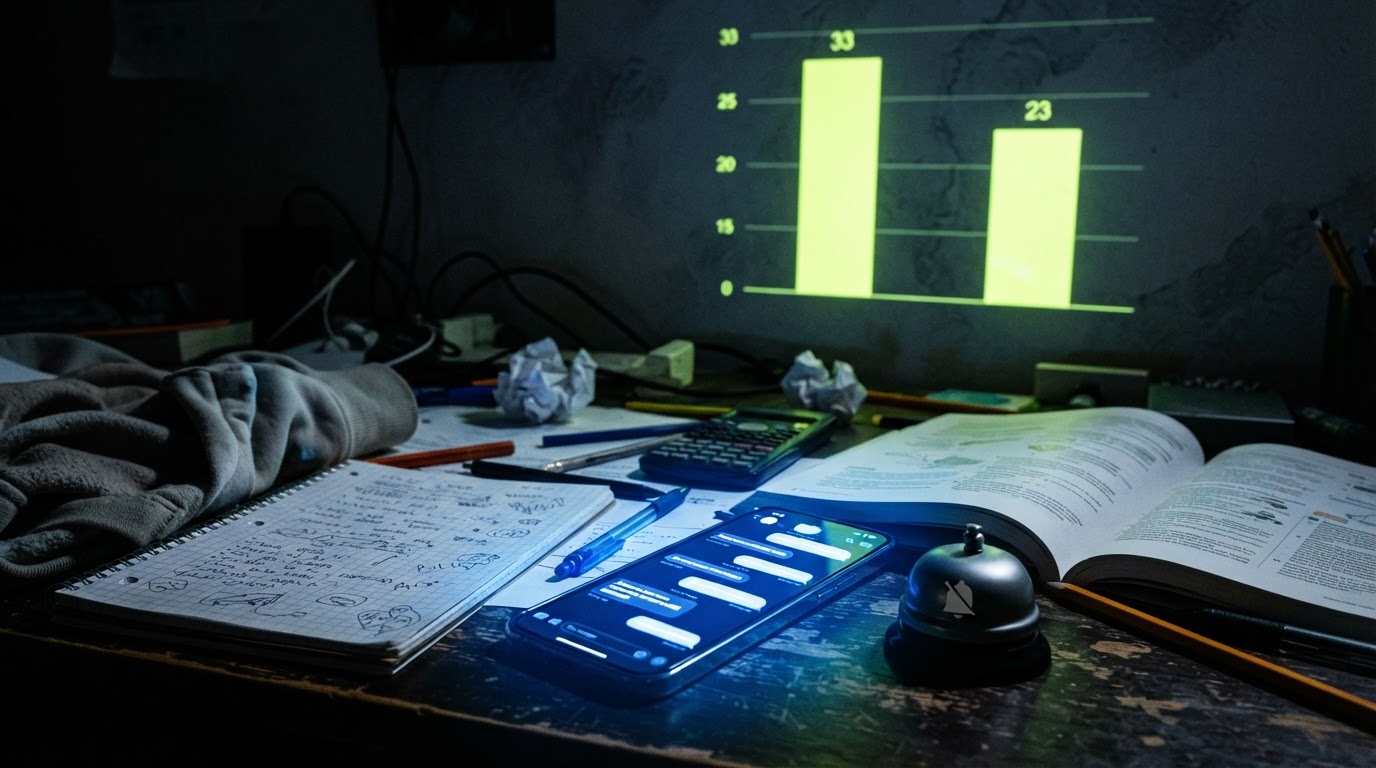
An independent lab ran 4,000+ prompts through teen ChatGPT accounts. Crisis hotline referrals fell from 33% to 23% after OpenAI's teen launch.
The Newest Ad Platform on Earth Wants $300,000 Before It Will Talk to You
OpenAI's image ads go live inside ChatGPT this week at a reported $40 CPM and a $300,000 minimum. The useful part is buried underneath.

The Software Found the Missing Course, Wrote It, and Suggested Who Should Sign It
A release note dated October 8 turns "AI will commoditize my knowledge" from a vibe into a shipping feature with a date on it.